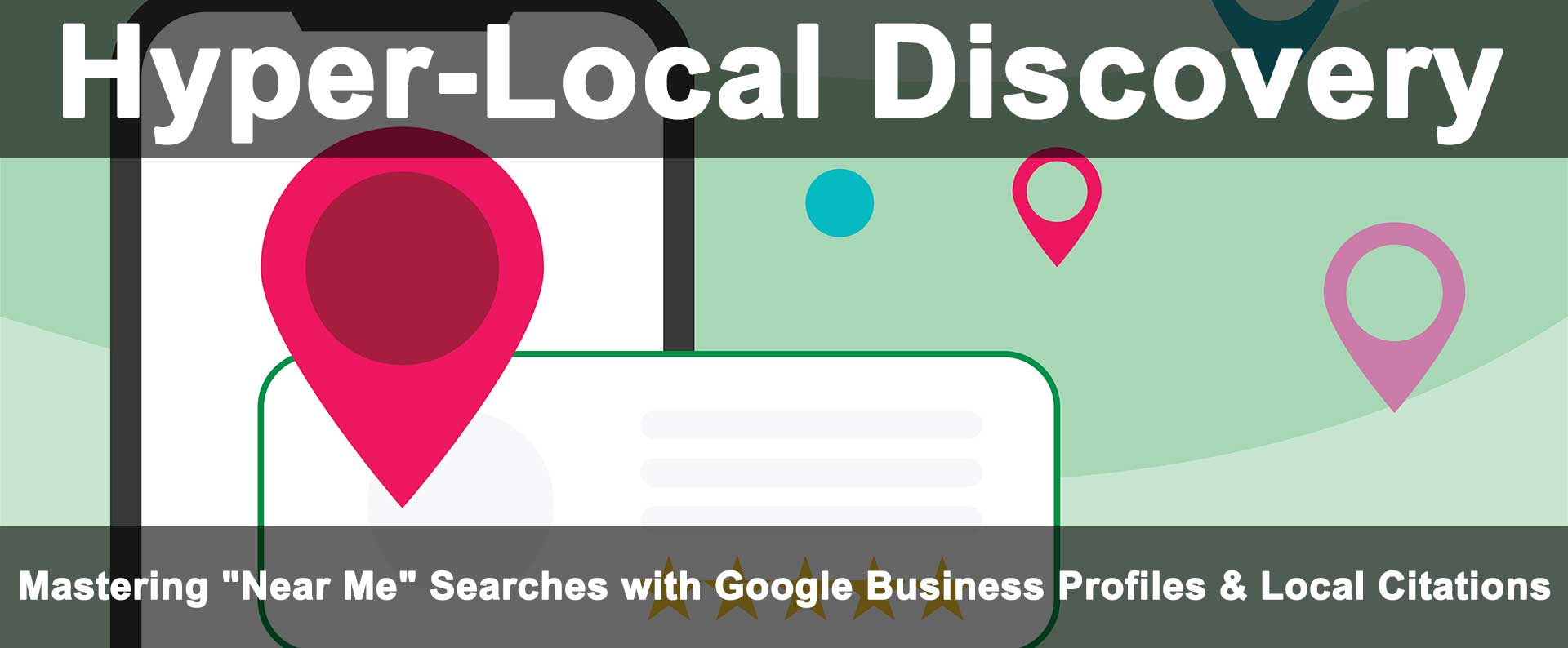
Businesses are increasingly expected to not only have a robust online presence but also to ensure that local customers find them at the exact moment they need their services. This phenomenon, often referred to as hyper-local discovery, goes beyond traditional keyword searches to capture "near me" inquiries.
By leveraging tools such as Google Business Profiles and local citations, businesses across industries can dominate these searches and integrate them into a broader, measurable marketing strategy.
Understanding Hyper-Local Discovery
Hyper-local discovery refers to the process by which consumers find businesses based on their immediate geographic location. With the rise of mobile device usage and location-based searches, customers now frequently search for services “near me” rather than using generic keywords. This shift necessitates an updated focus on localized digital marketing strategies.
Google Business Profile Updates:
Your Google Business Profile (formerly Google My Business) provides essential information—hours, location, contact details, and customer reviews—that influences search algorithm rankings. Keeping this profile current is key for appearing in local searches.
Local Citations:
These are online references to your business’s name, address, and phone number (NAP) on various directories and platforms like Yelp, TripAdvisor, or industry-specific listings. Consistent and accurate citations signal to search engines that your business is reliable and relevant for local queries.
Why Hyper-Local Discovery is a Non-Negotiable Strategy
The consumer journey is clear:
- a need arises,
- a phone is pulled out,
- and a "near me" search is conducted.
If your business isn't prominently and accurately visible in those results, you are invisible to that ready-to-buy customer. This strategy is particularly powerful because it acts as a powerful reinforcement tool for all your other marketing efforts.
A billboard (OOH), a postcard mailer, or a social media ad might create awareness, but the final action—the "how do I get there?"—almost always involves a local search. Your optimized GBP is the bridge that seamlessly connects your traditional and digital marketing to a conversion.
Integrating Hyper-Local Discovery into a Broader Marketing Strategy
Hyper-local strategies should complement and reinforce both digital and traditional marketing efforts:
1. Holistic Approach:
Combining digital channels, like SEO-optimized content and social media engagement, with traditional methods such as print advertising or local events, creates a robust customer journey from discovery to conversion.
2. Integrated Funnel Tracking:
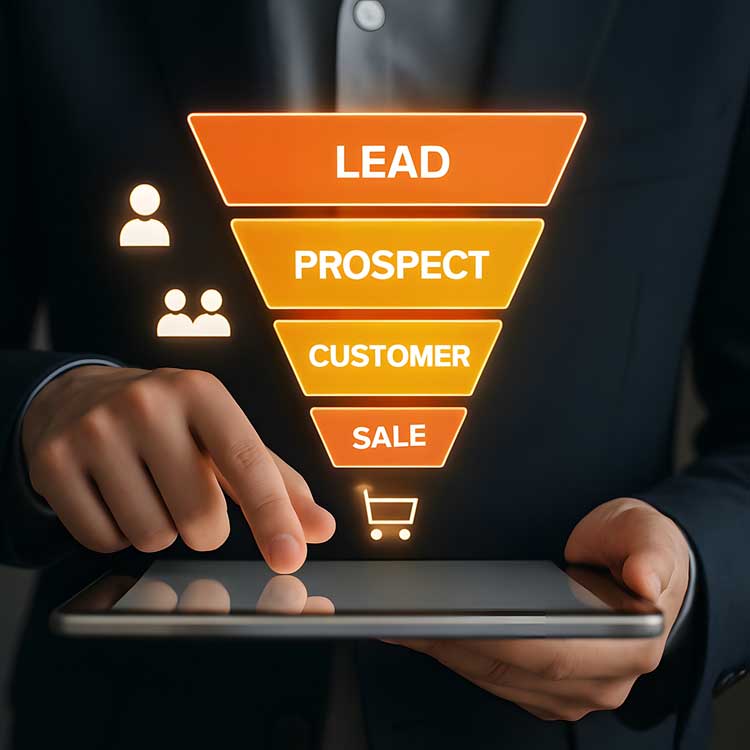
By linking local digital initiatives with a marketing funnel, businesses can track key conversion metrics at each stage—from online inquiry to in-store visit. Tools such as Google Analytics and CRM systems help measure the effectiveness of hyper-local campaigns and adjust marketing spend accordingly.
3. Reinforcement of Existing Channels:
Updating your Google Business Profile and building consistent citations can enhance the credibility of both your online ads and traditional media efforts. Customers who see your business consistently promoted across multiple touchpoints are more likely to trust your brand.
Core Actionable GBP & Citation Steps
A fully optimized and regularly updated Google Business Profile is the bedrock of hyper-local discovery. This isn’t a one-and-done task; it requires ongoing attention to remain competitive.
- Information Accuracy & Completeness:
Ensure every field is meticulously filled out, from your exact business name and address (matching your legal documents) to your hours of operation, contact information, and website URL. Inaccurate information can lead to customer frustration and diminished trust.
- Business Categories:
Choose the most specific and relevant primary and secondary categories for your business. For example, a restaurant should select "Restaurant" as its primary category, and then more specific options like "Italian Restaurant" or "Pizza Restaurant" as secondary. These categories help Google understand what your business offers.
- Photos & Videos:
High-quality images and videos of your storefront, interior, products, and services are incredibly important. Visuals significantly increase engagement and help potential customers visualize your offerings. A restaurant can showcase its signature dishes, while a construction company can display before-and-after project photos.
- Reviews & Responses:
Actively solicit customer reviews and respond to them promptly and professionally, both positive and negative. Reviews are a major ranking factor for local search and build trust with potential customers. Even a simple "Thank you for your feedback!" goes a long way.
- Google Posts:
Utilize Google Posts to share updates, offers, events, and new products directly within your GBP. These posts are visible in search results and can drive immediate engagement. A retail store could announce a flash sale, while a healthcare provider could share information about a new service.
- Services Section:
Clearly list all the services your business offers. This helps Google match your business to relevant "near me" searches. For a professional services firm, this could include "tax preparation," "estate planning," or "business consulting."
Local Citations Reinforcement
Beyond your GBP, a robust network of consistent local citations strengthens your hyper-local presence. Think of each citation as a vote of confidence for your business's legitimacy and location.
- Directory Listings:
Ensure your NAP information is identical across major online directories like Yelp, Yellow Pages, and industry-specific directories. Inconsistent information (e.g., "Street" vs. "St.") can confuse search engines and dilute your local search authority.
- Social Media Profiles:
Maintain accurate NAP information on all your social media profiles (Facebook, Instagram, LinkedIn, etc.). Social signals contribute to local ranking.
- Data Aggregators:
Services like Yext and Moz Local can help distribute your NAP information across a vast network of online platforms, ensuring consistency and broad reach.
Industry-Specific Hyper-Local Strategies
Below are actionable strategies tailored to various industries, demonstrating how hyper-local discovery can drive real outcomes.
Retail
- Update Google Business Profile Frequently:
Use seasonal imagery and update promotions to reflect current inventory or sales events.
- Local Social Media Engagement:
Share local customer testimonials and store events on social platforms.
- Enhanced Citations:
Ensure consistency of NAP data across retail directories like Yelp or local chamber of commerce listings.
Example:
A boutique store can attract nearby shoppers by highlighting seasonal events, flash sales, or exclusive in-store promotions updated on its Google Profile.
Restaurants (Cafes, Food Carts, Diners)
- Dynamic Menu Updates:
Reflect changes in daily specials or seasonal offerings on your profile.
- Customer Reviews:
Encourage satisfied customers to leave positive reviews to boost your local search ranking and entice new customers.
- Local Food Directories:
List your restaurant on popular food delivery apps and local review sites for increased visibility.
Example:
A local diner can leverage “near me” searches by updating its menu in real time, ensuring that diners can always see the latest offerings, which may encourage spontaneous visits.
Hospitality (B&B, Hotels, Motels, Inns)
- Local Attractions & Events:
Integrate your business’s listing with local attractions, events, and tourism initiatives.
- Visual Content:
Upload high-quality images of your facilities and local points of interest around your hotel or bed-and-breakfast.
- Partnerships:
Collaborate with local event organizers to enhance citation listings and create bundled offers.
Example:
A small hotel in a tourist-friendly area can enhance its visibility during peak travel seasons by updating its Google Business Profile with nearby attractions and partnering with local tour providers.
Construction (Trades, Contractors, Builders)
- Project Portfolios:
Showcase completed projects on your Google Business Profile and cite local directories, which is crucial for building trust in local markets.
- Customer Testimonials:
Share case studies of local projects that emphasize quality and reliability.
- Local Trade Associations:
Secure citations through local industry groups and trade directories to build authority.
Example:
A local construction company can boost conversions by highlighting neighborhood projects, giving potential clients clear evidence of past success.
Healthcare (Physical Therapy, Medical Offices)
- Up-to-Date Contact Information:
Maintain accurate hours and emergency contacts on your Google Business Profile.
- Patient Reviews & Testimonials:
Positive reviews and detailed service descriptions can significantly impact local healthcare searches.
- Local Health Directories:
Register with local medical directories and community health platforms to improve local visibility.
Example:
A community health clinic can increase patient trust by ensuring that all contact and service hours are up-to-date, and that patients see consistent information across multiple citations.
Professional Services (Attorneys, Accountants, Consultants)
- Clear Service Descriptions:
Detailed profiles that explain your services using clear, jargon-free language help demystify complex offerings.
- Booking & Consultation Integration:
Enable direct contact or appointment booking features on your profile to streamline the client conversion process.
- Local Professional Groups:
Join and be cited in local business directories and professional networks to enhance your legitimacy.
Example:
A local accounting firm can use its Google Business Profile to highlight client success stories, simplify technical language, and promote consultation offerings, making it easier for potential clients to engage.
Tracking Conversion & Outcomes
For hyper-local discovery efforts to truly enhance your marketing strategy, monitoring results is essential. This involves tracking customer interactions from discovery to conversion:
- Set Up Conversion Goals:
Utilize Google Analytics to set conversion goals based on actions like phone calls, appointment bookings, or website visits.
- Monitor Traffic Sources:
Use UTM parameters to track where your traffic is coming from—be it GBP, social media, or local directories.
- Analyze Performance:
Regularly review your analytics to understand which strategies are driving the most conversions and refine your approach based on this data.
The Take Away
Hyper-local discovery is more than just an SEO tactic; it is a comprehensive approach that leverages digital profiles, local citations, and integrated marketing funnels to enhance overall brand presence.
By updating your Google Business Profile and maintaining consistent citations, businesses across retail, restaurants, hospitality, construction, healthcare, and professional services can not only drive more “near me” searches but also reinforce their broader marketing strategies successfully.
The key lies in clear, actionable steps and the effective measurement of outcomes to optimize local market performance over time.